Phone Repair
Do Screen Protectors Actually Work? What They Protect Against and What They Do Not
Screen protectors are everywhere, but do they really prevent cracked screens? The answer is more nuanced than most people think.
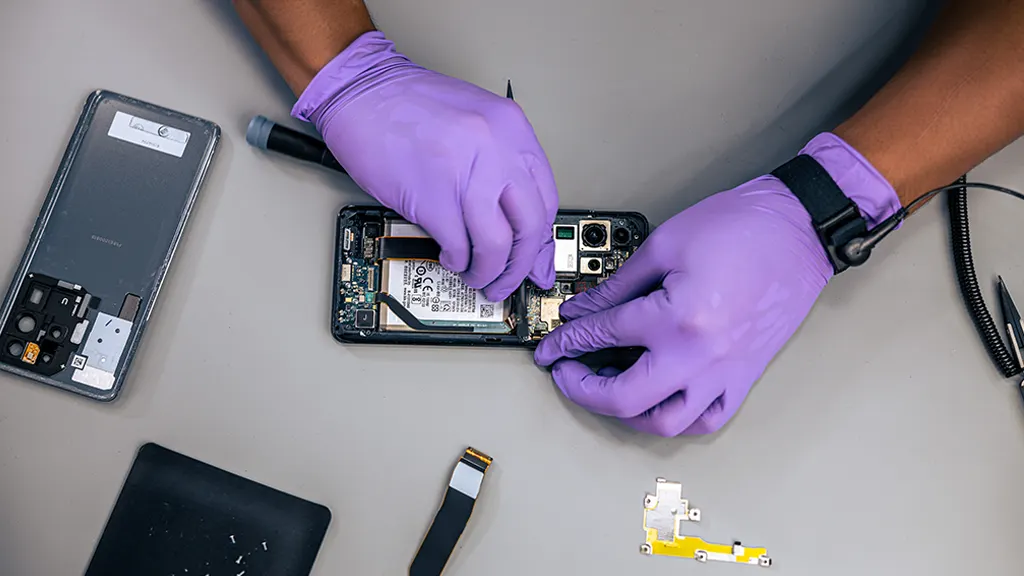
Screen protectors are one of the most popular phone accessories, and nearly every repair shop and carrier store pushes them on customers. But do they actually prevent the damage people worry about most — a cracked screen from a drop? The answer is: sometimes, but not always, and understanding what they do and do not protect against helps set realistic expectations.
What screen protectors do well. Tempered glass screen protectors are excellent at preventing scratches. Keys, coins, sand and other abrasives in your pocket or bag will scratch an unprotected phone screen over time. A tempered glass protector absorbs those micro-scratches instead of your actual display. When the protector gets too scratched up, you replace it for a few dollars — much cheaper than a screen replacement. They also provide a small layer of impact absorption for minor bumps and low-height drops.
What screen protectors do not do. A screen protector is not a substitute for a case when it comes to drop protection. Phone screens crack from impact force and flex — when a phone hits the ground, the frame flexes and transfers energy to the glass. A thin layer of tempered glass on top of the screen does not prevent this flex or absorb significant impact energy. Most cracked screens at JWS have an intact screen protector on top of shattered glass underneath.
The real drop protection combo. The most effective protection is a quality case with raised edges combined with a tempered glass protector. The case absorbs impact energy and prevents direct contact between the screen and the surface it hits. The raised lip keeps the screen from touching flat surfaces when placed face-down. The screen protector handles the scratches and adds a small additional buffer. Together, they reduce the chance of screen damage significantly — but no combination guarantees a drop-proof phone.
Liquid screen protectors: mostly marketing. Liquid screen protectors claim to add a nano-coating that hardens the glass. In practice, they offer minimal scratch resistance and virtually no impact protection. They cannot be removed or replaced, and they do not provide the physical barrier that tempered glass does. Save your money and stick with a $5–10 tempered glass protector that actually works.
JWS recommends applying a fresh tempered glass screen protector immediately after any screen repair. The screen surface is perfectly clean after installation, giving the protector the best possible adhesion. It is a small investment that protects the repair you just paid for. Ask about screen protectors at your next visit, or check the instant quote tool if your screen is already cracked. Learn more about protecting your device on the contact page or explore your repair options at the iPhone repair and Samsung repair pages.
Need help with this repair?
JWS can inspect the device, explain options and provide a quote before work begins.
View related service