JWS
Screen quality education

Not All iPhone Screens Are Created Equal

If another shop is quoting you $60 for an iPhone 15 Pro screen, ask what kind of screen they are using. The answer matters more than the price.

The problem with cheap screens

Why Some Shops Can Offer iPhone Pro Screen Repair for $60

Walk into most phone repair shops on Long Island and ask about an iPhone 14 Pro or 15 Pro screen replacement. Some will quote you under $100. That sounds like a deal until you see the screen they are putting on your phone.

The majority of low-cost shops use incell LCD screens — panels that cost them roughly $25 wholesale. These screens use completely different technology than the OLED display Apple put in your phone. They look worse, feel worse, and create problems that many customers do not realize until it is too late.

At JWS, we only install soft OLED screens with 120 Hz ProMotion support on all iPhone Pro models from the 13 Pro through 17 Pro Max. They cost us significantly more than incell panels, which is why our price is higher than the cheapest option — but still 40–50% less than what Apple charges.
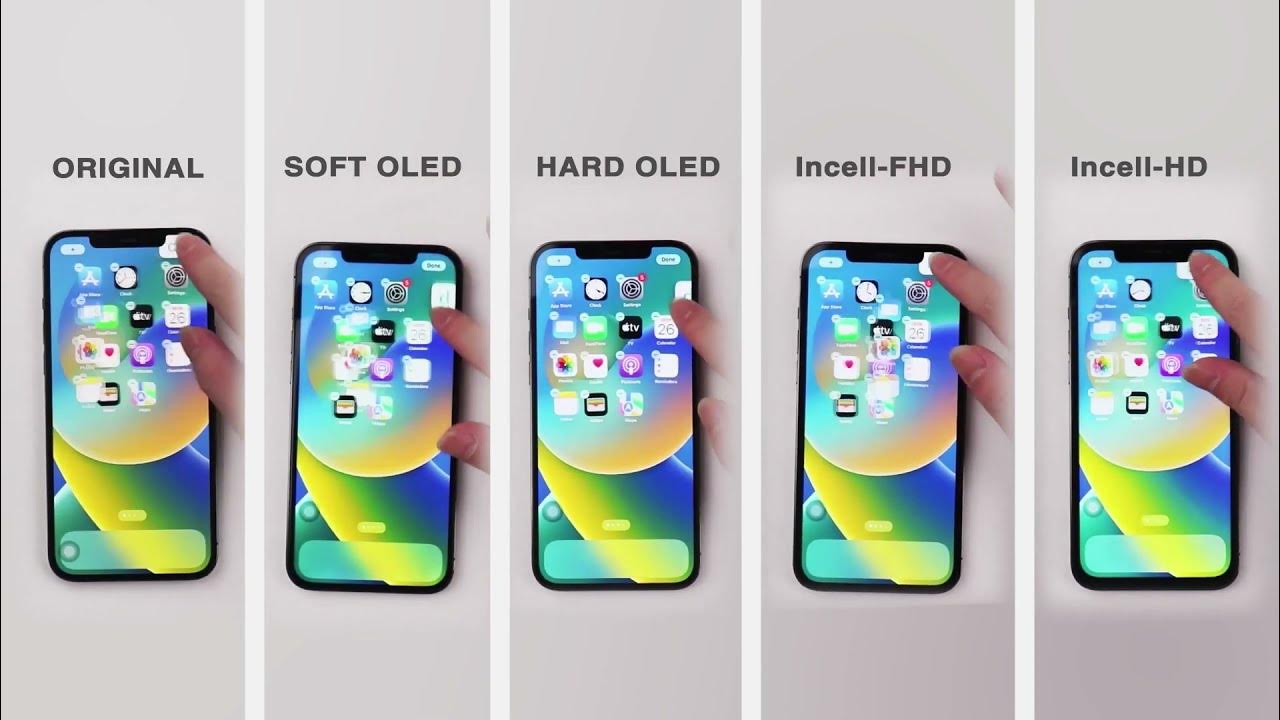
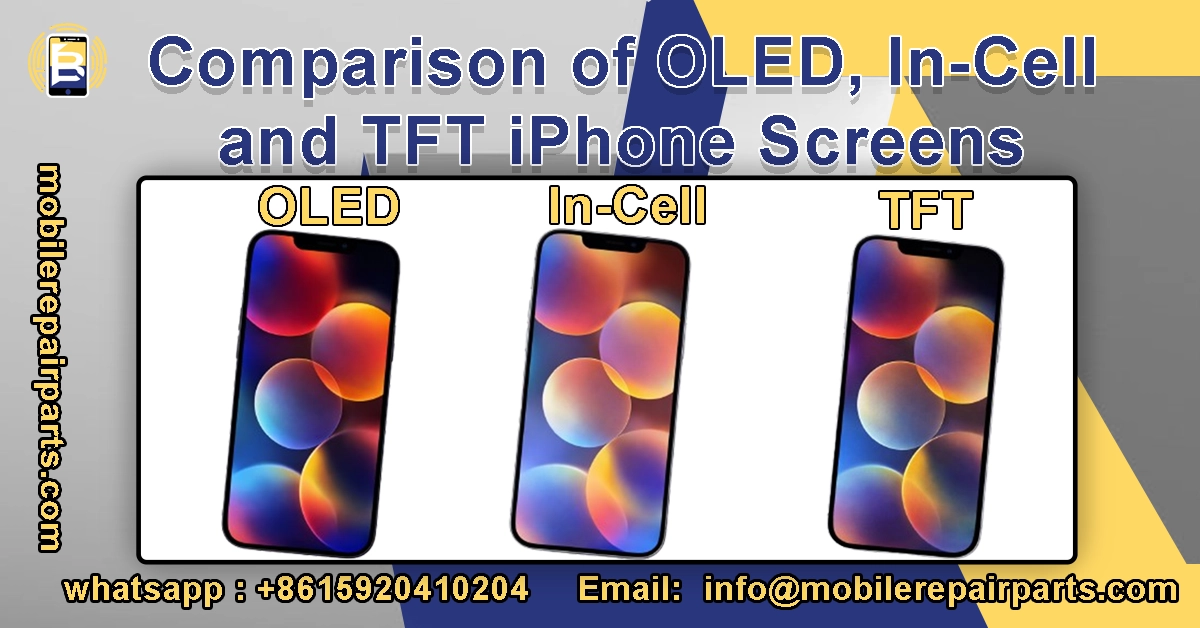
Side-by-side comparison of incell LCD, hard OLED, soft OLED, and OEM iPhone screens showing color and contrast differences
Screen type comparison — notice the color accuracy and contrast differences between incell, hard OLED, soft OLED, and OEM panels.

The Four Grades of iPhone Replacement Screens

Understanding what is actually going on your phone helps you make an informed decision.

Multiple grades of iPhone replacement screens laid out side by side showing OEM, soft OLED, hard OLED, and incell options
Different grades of iPhone replacement screens — quality and price vary dramatically between tiers.

Incell LCD

Low60 Hz only
$25 – $60
typical cost

Incell LCD screens are the cheapest option available. They use completely different technology than the OLED panel your iPhone came with. Instead of individual pixels producing their own light, an LCD uses a backlight behind a liquid crystal layer. The result is washed-out blacks, lower contrast, and a noticeable downgrade in display quality. Most shops that advertise the lowest prices are using these.

  • No true blacks — backlight always visible
  • 60 Hz max — no ProMotion smoothness
  • Thicker panel causes visible bezel gap
  • Screen sticks out of the phone frame
  • Touch responsiveness issues and ghost touches
  • Color accuracy is noticeably worse
  • Brightness significantly lower than original
  • Higher failure rate within months

Hard OLED

Mid60 Hz only
$60 – $120
typical cost

Hard OLED screens use real OLED technology, so you get true blacks and decent contrast. However, they are built on a rigid glass substrate instead of a flexible plastic one, which means they are still limited to 60 Hz and crack more easily. Better than incell, but still a noticeable downgrade from what came in your phone.

  • Still limited to 60 Hz — no ProMotion
  • Colors slightly off compared to OEM
  • Rigid panel — less forgiving on drops
  • Fitment better than incell but not perfect
  • Touch accuracy is decent but not OEM-level
★ JWS Standard

Soft OLED (What We Use)

Premium120 Hz ProMotion
$120 – $250
typical cost

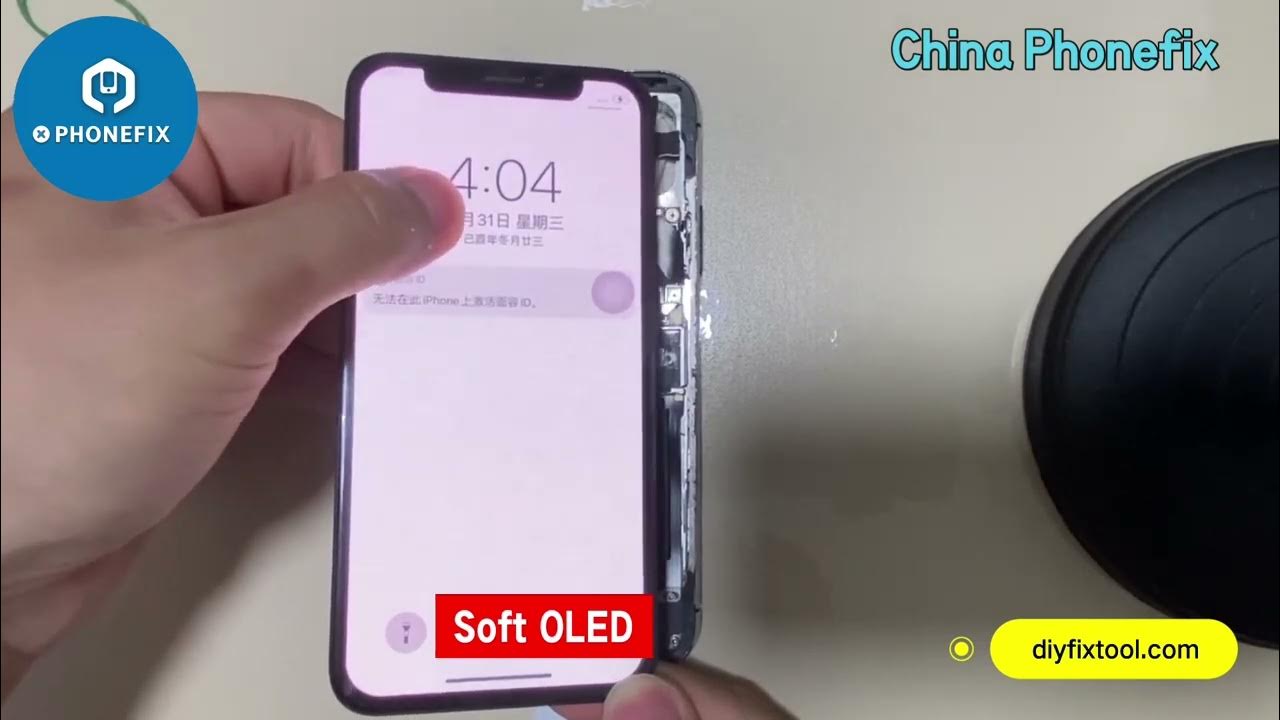
Soft OLED screens use the same flexible OLED technology that Apple uses in original iPhone displays. The "soft" refers to the flexible plastic substrate the OLED layer is deposited on (instead of rigid glass), which allows for thinner panels, better fitment, and critically — 120 Hz ProMotion refresh rate. This is what JWS uses for every iPhone Pro screen repair.

  • True blacks and OEM-matching contrast
  • Full 120 Hz ProMotion support
  • Flexible substrate — same tech as Apple
  • Flush fitment — no bezel gap or bulge
  • Accurate touch response across the full display
  • Color calibration close to original
  • Brightness matches OEM in most conditions
  • Better drop resistance than hard OLED

OEM Apple

Original120 Hz ProMotion
$250 – $500+
typical cost

OEM Apple screens are the original factory parts. They are the gold standard but come at a premium price that often makes repair less practical compared to device replacement. Some features like True Tone may require Apple's proprietary calibration tools to fully restore.

  • Exact factory specifications
  • Full True Tone and auto-brightness support
  • Genuine Apple parts with Face ID pairing
  • Highest cost by significant margin
  • Often requires Apple Store or authorized service

What Cheap Screens Actually Look Like

These are the real-world problems customers bring to us after getting a budget screen installed elsewhere.

Cheap incell iPhone screen showing thick bezel gap and frame protrusion compared to quality OLED fitment

Thick Bezel and Frame Gap

Incell LCD panels are physically thicker than OLED. On an iPhone Pro designed for a thin OLED panel, the incell screen literally sticks up above the frame edge. You can feel it with your finger, and it collects dust and debris along the gap. It also makes the phone look noticeably different from the original.

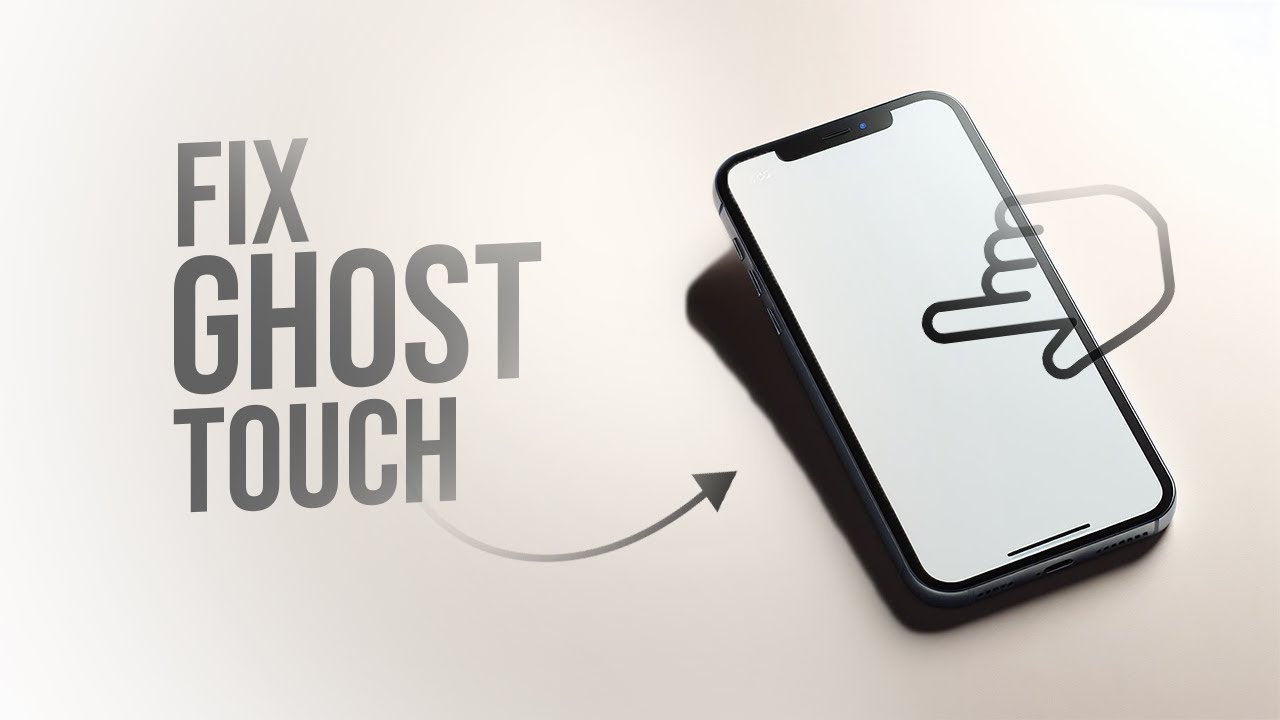
iPhone screen with ghost touch issues and unresponsive areas caused by low-quality incell replacement screen

Touch Problems and Ghost Touches

Cheap incell screens frequently develop touch responsiveness issues — random phantom taps, unresponsive areas, or delayed input. The digitizer layer in these screens is not calibrated to the same standard as OLED panels, resulting in frustrating daily use that many customers mistake for a phone problem.

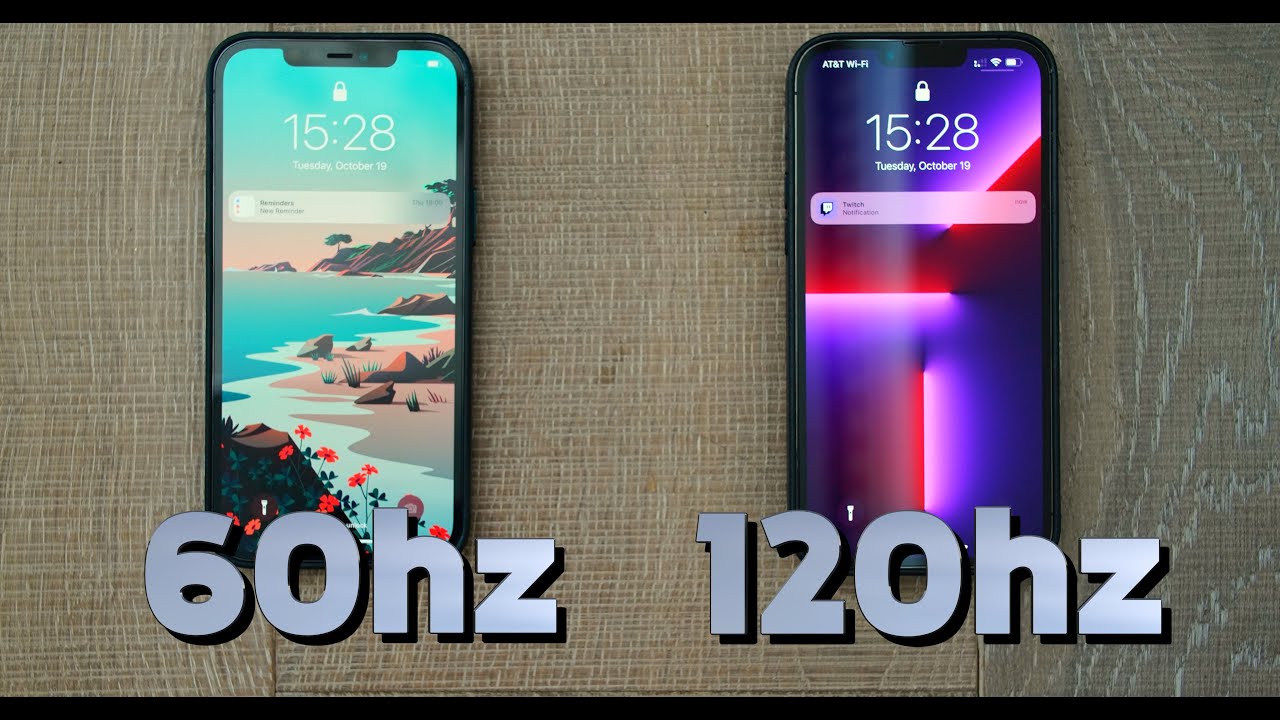
Side-by-side comparison of 120 Hz ProMotion scrolling versus 60 Hz scrolling on iPhone showing smoothness difference

120 Hz vs 60 Hz — You Will Notice

iPhone Pro models from the 13 Pro onward have 120 Hz ProMotion displays. Incell and hard OLED screens can only do 60 Hz. The difference is immediately obvious when scrolling through apps, web pages, or social media — everything feels choppy and laggy compared to the original smooth experience.

High-quality soft OLED aftermarket screen on iPhone showing flush fitment and clean installation

Quality Soft OLED Fitment

A properly installed soft OLED screen sits flush in the frame — just like the original. The display thickness matches what Apple designed the phone for, the touch response is accurate across the entire surface, and you get the full 120 Hz ProMotion experience back. This is the standard JWS holds for every screen repair.

Price Comparison: iPhone Pro Screen Repair

JWS soft OLED pricing vs cheap shop incell pricing vs Apple OEM pricing. Quality does not have to mean Apple prices.

ModelCheap Shop
Incell LCD
JWS Price
Soft OLED 120Hz
Apple OEM
Original
iPhone 13 Pro$60 – $80$150 – $180$280 – $350
iPhone 13 Pro Max$65 – $85$160 – $200$300 – $380
iPhone 14 Pro$70 – $90$170 – $210$320 – $400
iPhone 14 Pro Max$75 – $95$180 – $230$350 – $430
iPhone 15 Pro$80 – $100$200 – $250$380 – $450
iPhone 15 Pro Max$85 – $110$220 – $280$400 – $480
iPhone 16 Pro$90 – $120$240 – $300$420 – $500
iPhone 16 Pro Max$95 – $130$260 – $330$450 – $530
iPhone 17 Pro *Limited avail.Call for quote$450 – $550
iPhone 17 Pro Max *Limited avail.Call for quote$480 – $580

* iPhone 17 Pro models — pricing may vary as parts become available. All prices are estimates and may change based on supply. Contact JWS for a current quote.

Why JWS Uses Premium Soft OLED Screens

120 Hz ProMotion restored

Your iPhone Pro was designed for a 120 Hz display. We put it back the way it should be — no downgrade to 60 Hz.

True blacks and accurate color

Soft OLED technology delivers the same deep blacks and vivid colors as the original Apple panel. Incell screens cannot replicate this.

Flush fitment — no bezel gap

Our screens sit flush in the phone frame with no visible lip, gap, or protrusion. They are the correct thickness for your specific iPhone model.

Reliable touch and 30-day warranty

No ghost touches, no dead spots. Every screen is tested before and after installation. Backed by our standard 30-day parts warranty.

The Bottom Line

We charge more than the cheapest shops because we refuse to install $25 incell screens on a $1,000+ phone. But we still cost significantly less than Apple because we source high-quality aftermarket soft OLED panels directly. You get OEM-comparable quality at a fair price — that is the sweet spot.

Frequently Asked Questions

What is the difference between incell and soft OLED iPhone screens?
Incell screens use LCD technology with a backlight, resulting in washed-out blacks, 60 Hz only, thicker bezels, and frequent touch problems. Soft OLED screens use the same flexible OLED technology as Apple originals, delivering true blacks, 120 Hz ProMotion, flush fitment, and accurate touch response.
Why are some iPhone screen repairs so cheap?
Shops offering very low prices ($50–80 for a Pro model) are almost always using incell LCD screens that cost them around $25. These screens look noticeably worse, lack 120 Hz smoothness, often have touch issues, and have thicker bezels that stick out of the phone frame.
Do you use 120 Hz screens for iPhone Pro repairs?
Yes. JWS exclusively uses soft OLED screens with full 120 Hz ProMotion support for all iPhone 13 Pro through 17 Pro Max screen replacements. We do not use incell or hard OLED screens for Pro models.
Will I notice the difference between incell and soft OLED?
Absolutely. The differences are visible immediately — scrolling feels choppy at 60 Hz instead of butter-smooth at 120 Hz, blacks look gray, the screen sits higher in the frame creating a visible lip, and touch accuracy can be unreliable. Most customers who have experienced both say the difference is impossible to ignore.
Are your screens cheaper than Apple?
Yes. Our soft OLED screens cost 40–50% less than Apple OEM pricing while delivering comparable display quality, 120 Hz refresh rate, and accurate color reproduction. The main difference is that some Apple-specific features like True Tone may require separate calibration.
What about non-Pro iPhones like the iPhone 15 or 16?
Standard (non-Pro) iPhones use 60 Hz OLED displays. For these models, we use quality OLED replacement screens that match the original specifications. The incell vs soft OLED distinction is most critical for Pro models because of the 120 Hz ProMotion feature.
How long does an iPhone screen replacement take?
Most iPhone screen replacements are completed in 30–60 minutes when parts are in stock. We test touch accuracy, display quality, Face ID, and all other functions before returning the device.
Do you offer a warranty on screen replacements?
Yes. All screen replacements come with a 30-day warranty covering defects in the replacement part. Physical damage or liquid damage after repair is not covered.

Ready for a Quality Screen Replacement?

Get a quote, book an appointment, or bring your iPhone in for same-day screen repair with a premium soft OLED display.

Exact shop location

JWS is inside Wireless Shack

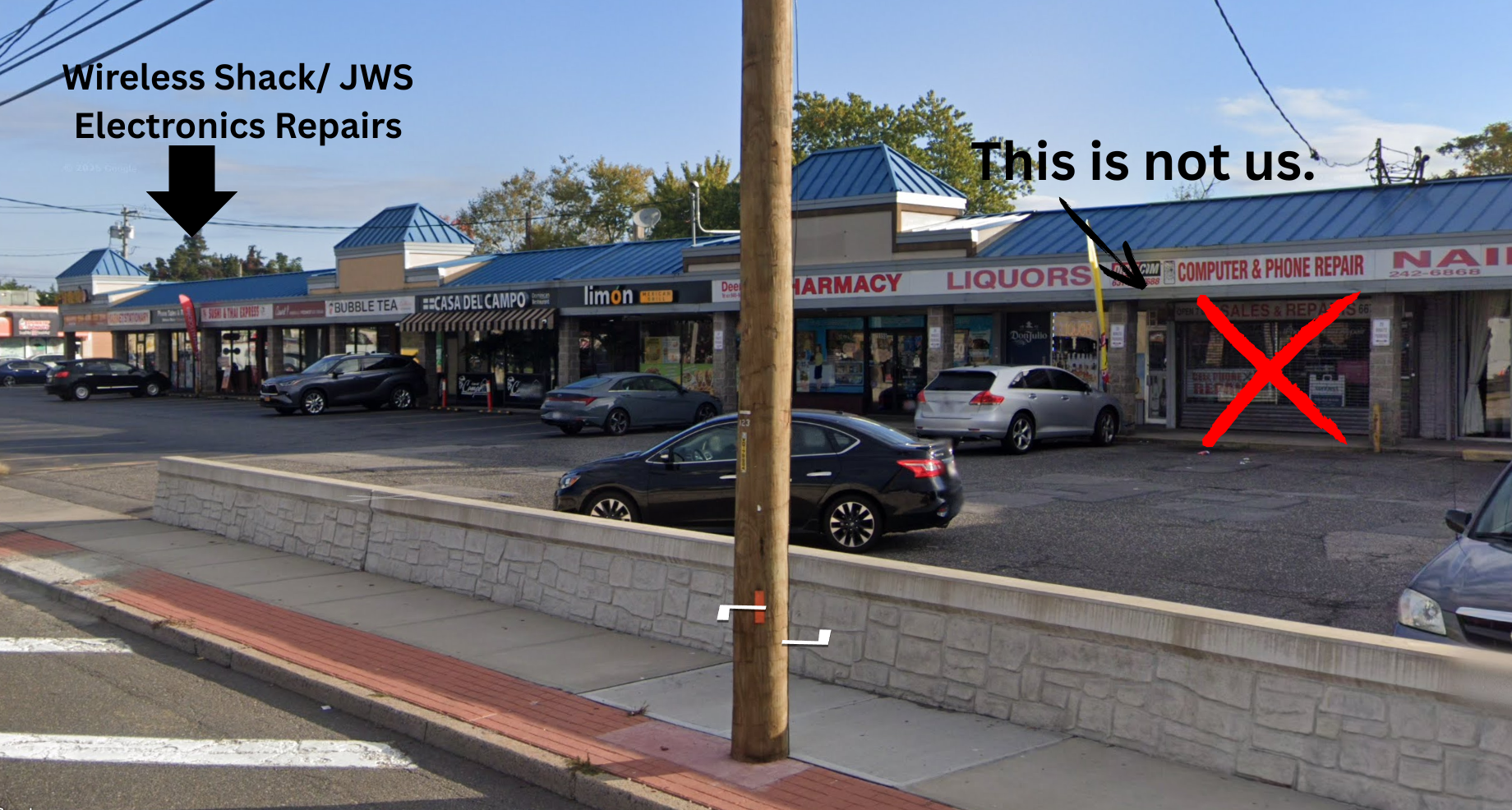
When you arrive at 1167 Deer Park Ave. in North Babylon, look for Wireless Shack. JWS Electronics Repair is located inside that storefront. Do not go to the nearby “Computer & Phone Repair” storefront shown on the right side of the reference photo.

Enter through Wireless Shack; JWS Electronics Repair is located inside. Look for the Wireless Shack / JWS Electronics Repairs storefront, not the neighboring Computer & Phone Repair storefront.

Use the map below or open directions before visiting so you land at the correct storefront.

Wireless Shack storefront reference showing where JWS Electronics Repair is located and which neighboring shop is not JWS

Reference photo: the arrow marks Wireless Shack / JWS Electronics Repairs. The red X marks the wrong neighboring shop.

Address: 1167 Deer Park Ave. North Babylon, NY 11703 — inside Wireless Shack.